If you’re thinking about selling your ruby jewelry, understanding what impacts its value can help you get the strongest offer possible. Rubies remain one of the most sought-after colored gemstones, and buyers carefully evaluate several factors before making an offer. Here’s a simple, customer-friendly guide to help you understand what to expect when you bring your ruby jewelry to a trusted buyer like Westlake Gold, servicing Westlake Village and nearby communities.
1. The Color of the Ruby
Color is the most influential factor in determining a ruby’s price. Deep, vivid red stones with even saturation command the highest values. Rubies that are too dark, too light, or that show noticeable brown or purple undertones typically bring in lower offers. Buyers also assess whether the color remains consistent when the gem moves under light.
2. Clarity and Internal Characteristics
Natural rubies almost always contain inclusions, and evaluating these internal features is a major part of pricing. Stones with fewer visible inclusions, especially when examined without magnification, are more desirable. Heavy cloudiness, cracks, or black mineral spots can reduce value. A ruby with clean transparency and minimal interruptions will usually sell for more.
3. Cut and Overall Craftsmanship
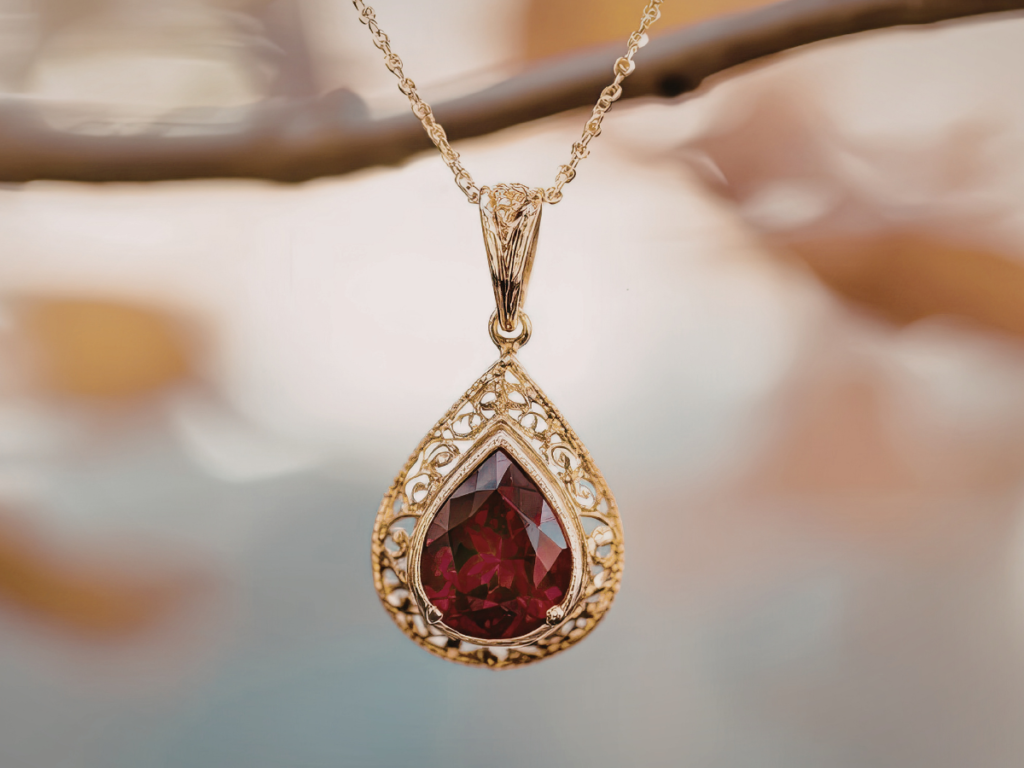
Whether your ruby is in a ring, pendant, or bracelet, the cut influences both beauty and price. A well-cut ruby reflects light evenly and enhances the stone’s natural color. Poor or shallow cuts can make a ruby look dull, lowering its market value. For mounted jewelry, the overall craftsmanship of the setting also plays a role in the final offer.
4. Ruby Carat Weight
Larger rubies are significantly rarer, so carat weight can create major swings in pricing. A high-quality ruby that crosses the one-carat mark often increases in value per carat, not just in total price. Smaller stones can still be valuable, but size combined with strong color and clarity is where the highest offers tend to come from.
Ready to sell your ruby jewelry? Contact Westlake Gold today for an appraisal.
5. Treatments and Enhancements
Heat treatment is common in rubies and generally accepted in the marketplace, but additional treatments such as lead-glass filling can drastically lower value. Professional buyers will inspect your stone to determine what treatments are present. Jewelry accompanied by original treatment documentation or grading reports often sells for more.
6. Market Demand and Style
The current market demand for ruby jewelry, along with the design of your piece, can influence the final offer. Vintage styles, high-quality gold settings, designer hallmarks, or unique craftsmanship can add extra value beyond the ruby itself. Modern minimalist settings may appeal to a different buyer base but still contribute to the overall price.
7. The Gold or Metal Content
If your ruby is set in gold or platinum, the metal weight also affects the offer. Heavier settings, higher karat gold, and premium materials add intrinsic value that reputable buyers calculate separately from the gemstone.
Maximizing Your Offer
When you bring your ruby jewelry to a trusted buyer, presenting any gemstone certifications, receipts, or original packaging can help verify authenticity and improve the valuation. Clean, well-maintained jewelry also makes a stronger first impression during appraisal.
Image courtesy of Canva