Inheriting a collection of jewelry, gold, coins or watches can leave you with more questions than answers.
Which pieces are valuable? Is that old coin made of gold? Does a broken necklace still have value? Is the watch collectible? And perhaps most importantly, how do you know what you have before deciding whether to sell it?
At Westlake Gold in Westlake Village, we regularly meet people who have inherited valuables they know very little about. You don’t need to become an expert before bringing your items to a professional buyer, but taking a few simple steps can help you better understand your collection and make informed decisions about what to do next.
Contact Westlake Gold today for a free consultation and jewelry cleaning.
Don’t Throw Away Broken or Unwanted Jewelry
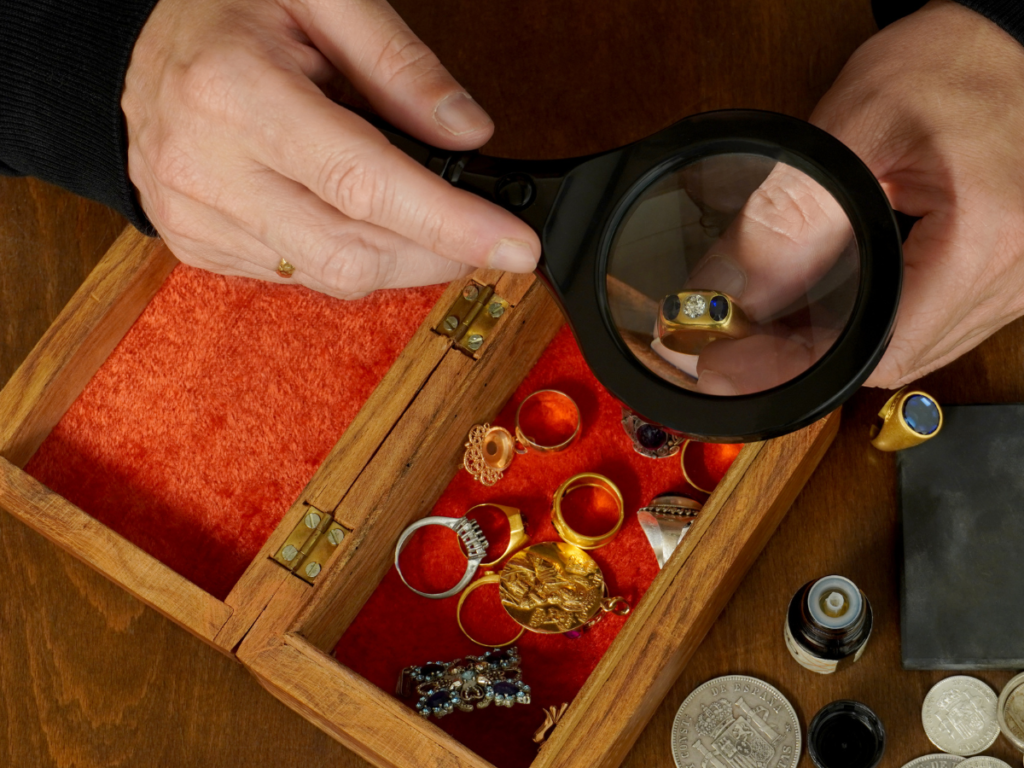
A broken chain may look worthless, but its precious metal content can still give it significant value.
The same applies to single earrings, damaged bracelets, bent rings, outdated jewelry and pieces with missing stones. Gold buyers evaluate precious metals based on factors that go far beyond whether an item remains wearable.
Before discarding anything, set aside pieces that appear to contain gold, silver, platinum or other precious metals.
Even jewelry that nobody in the family wants to wear may still be worth evaluating.
Keep the Collection Together at First
When you inherit a large collection, resist the urge to immediately separate pieces among family members or start selling individual items.
First, find out what you actually have.
Keeping the collection together makes it easier to organize items and identify pieces that may belong together. A watch may have a corresponding box and paperwork. A piece of jewelry may have a receipt, appraisal or certificate stored elsewhere in the estate. Coins may belong to a larger collection assembled intentionally over many years.
Those details can matter.
Once you understand the collection, you can make better decisions about which pieces to keep, divide, insure or sell.
Look for Hallmarks and Gold Karat Marks
Jewelry often contains small markings that provide clues about its materials.
You might find markings such as:
- 10K
- 14K
- 18K
- 22K
- 24K
- 417
- 585
- 750
- 925
- Sterling
- Plat or Platinum
For example, 585 commonly indicates 14-karat gold, while 750 commonly indicates 18-karat gold. A 925 mark generally identifies sterling silver.
Don’t worry if you can’t find a marking. Age, wear, repairs and design can make hallmarks difficult to locate, and the absence of a visible stamp does not automatically tell you whether an item contains precious metal.
A professional buyer can test the item rather than relying exclusively on its markings.
Don’t Assume Every Piece Should Be Valued Only for Its Gold
Gold content matters, but sometimes the item itself matters too.
Certain pieces may have value beyond their precious metal content because of their maker, design, gemstones, age, condition or desirability in the secondary market.
Designer jewelry is an obvious example. A signed piece from a sought-after luxury jewelry house shouldn’t automatically be treated like an anonymous piece of scrap gold.
The same principle can apply to certain vintage and estate jewelry.
An experienced jewelry buyer should recognize when an item deserves evaluation as a piece of jewelry rather than simply placing everything on a scale.
Be Careful With Inherited Coin Collections
Coins require a particularly careful approach.
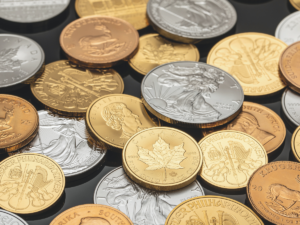
An inherited coin collection can contain everything from common coins with little additional value to gold and silver bullion, rare coins and collectible pieces.
Don’t clean old coins before having them evaluated.
Cleaning can alter a coin’s surface and potentially affect its collectible value. Even if a coin looks dirty or tarnished, leave it in its current condition.
If the collector stored coins in holders, albums, cases or labeled envelopes, keep them that way. Notes and original organization may provide useful information about the collection.
Understand the Difference Between Bullion and Collectible Coins
Not every gold or silver coin gets its value in the same way.
Bullion coins derive much of their value from their precious metal content. Their value therefore has a strong relationship to the current market price of gold or silver.
Collectible or numismatic coins can derive additional value from factors such as rarity, date, mint mark, condition and collector demand.
Some coins can have characteristics of both.
That’s why identifying the coin correctly matters before deciding what it’s worth.
If you’ve inherited coins and don’t know whether you’re looking at bullion, collectibles or ordinary currency, have them evaluated before making assumptions based on their face value or metal content alone.
Check Watches Before Assuming They’re Outdated
That old watch tucked inside a drawer deserves a second look.
Luxury watches from manufacturers such as Rolex and other desirable brands can retain substantial value, including watches that are decades old.
If you find a watch, look around the estate for its original box, warranty card, receipts, service records and extra bracelet links.
Don’t discard those accessories simply because they aren’t attached to the watch. Original documentation and accessories can become part of the overall evaluation of a luxury timepiece.
You also shouldn’t assume a watch has no value because it isn’t currently running. Let a knowledgeable buyer evaluate it before paying for repairs or deciding that it isn’t worth selling.
Gather Appraisals, Receipts and Certificates
Paperwork can provide valuable information about inherited jewelry and watches.
Look for:
- Previous jewelry appraisals
- Original purchase receipts
- Diamond grading reports
- Gemstone certificates
- Watch warranty cards
- Service records
- Original boxes
- Coin documentation
These documents don’t necessarily determine what someone will pay for an item today. An insurance appraisal, for example, serves a different purpose from determining current resale value.
However, paperwork can help identify an item and provide additional information during the evaluation process.
Keep anything that appears related to the collection until you know whether it’s important.
Understand Appraisal Value vs. Resale Value
One of the biggest surprises for people selling inherited jewelry comes when they find an old appraisal.
An appraisal might list a ring at $10,000, so it’s natural to assume someone should pay close to $10,000 for it.
That’s not necessarily how jewelry values work.
An insurance appraisal often estimates what it could cost to replace an item through an appropriate retail market. Resale value answers a different question: what is the item worth in today’s secondary market?
Those figures can differ significantly.
Instead of relying on an old appraisal as an expected selling price, use it as one piece of information about the item.
Don’t Rush Into Selling an Estate
Selling inherited valuables can be both a financial and an emotional decision.
You don’t have to sell everything simply because you had it evaluated.
You may discover that one piece has sentimental significance and belongs in the family while another has considerable financial value but no personal connection. You might decide to keep certain coins, sell unwanted gold jewelry or divide the collection among several family members.
Understanding what you have gives you options.
That’s the purpose of a professional evaluation.
How Westlake Gold Evaluates Inherited Valuables
When you bring inherited items to Westlake Gold, we evaluate the collection based on what is actually in front of us.
For gold and precious metals, that can include identifying and testing the metal, determining its purity, weighing the item and considering current precious metal prices.
For jewelry, coins and watches, additional factors may influence value.
We don’t expect you to arrive knowing which pieces are important.
Bring the tangled chains. Bring the single earrings. Bring the coins you can’t identify. Bring the old watch from the back of the drawer.
Finding out what you have comes first.
Selling Inherited Gold, Coins and Jewelry in Westlake Village
If you’ve inherited gold, silver, jewelry, coins or watches in Westlake Village, Thousand Oaks, Agoura Hills, Calabasas or the surrounding Ventura County area, Westlake Gold can help you understand what you have before you decide what to do with it.
Our team evaluates gold and silver, jewelry, coins, bullion and luxury watches and explains the factors that contribute to an item’s value.
You aren’t obligated to sell simply because you have something evaluated. Take the time to understand your collection, ask questions and make the decision that works for you.
Learn More About Selling Inherited Jewelry
Learn More About Selling Inherited Gold
Learn More About Selling Inherited Silver